
Reusable Promotional Products in Australia: The Complete Guide for Smart Organisations
Discover the best reusable promotional products for Australian businesses, schools & events — with tips on budgeting, ordering & eco impact.

Written by
Willow Jensen
Eco & Sustainable Products
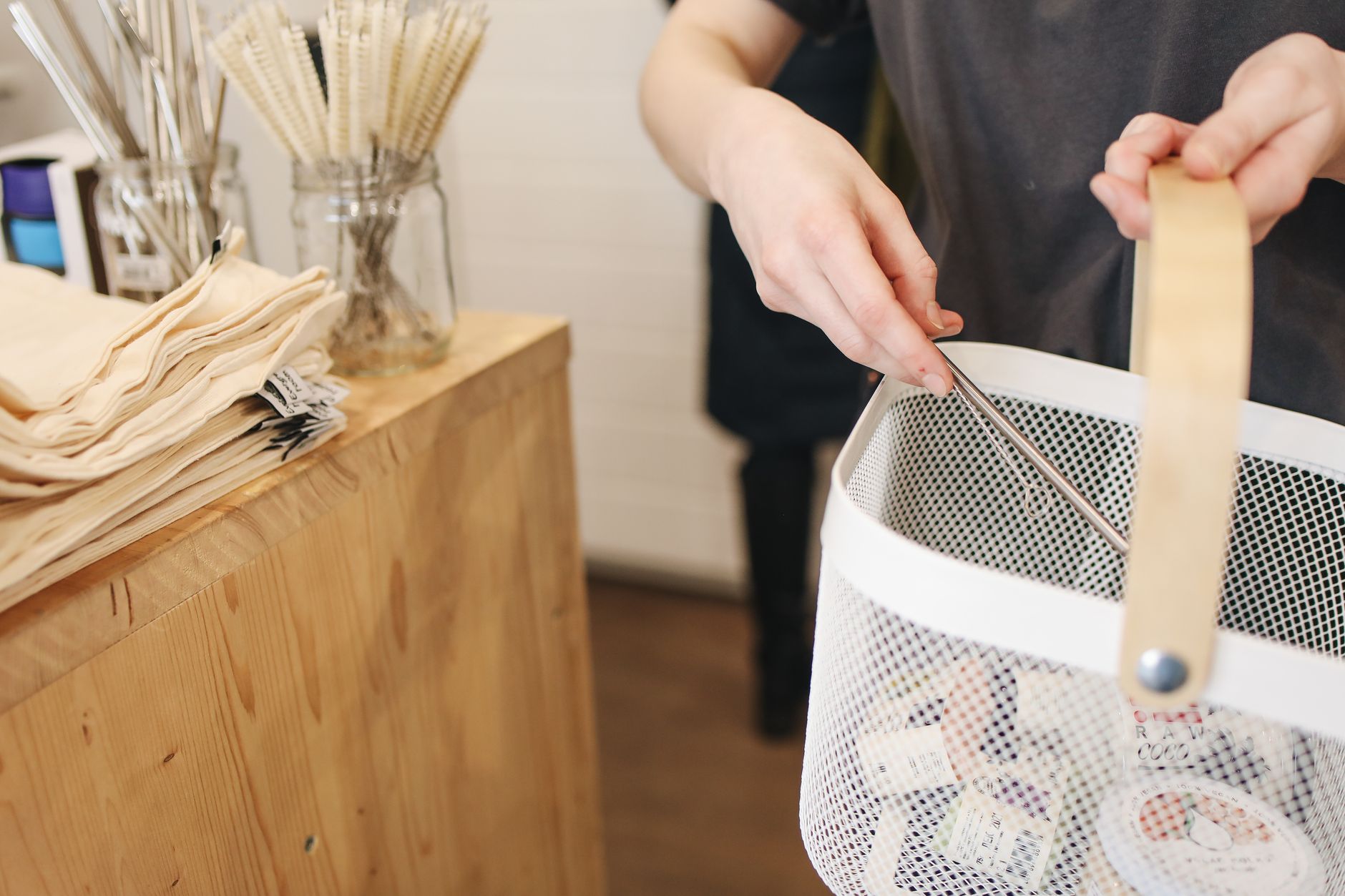
Choosing promotional products used to be straightforward — order a batch of disposable pens or plastic bags, slap your logo on them, and hand them out. But something significant has shifted. Australian organisations in 2026 are thinking differently about their branded merchandise, and the momentum behind reusable promotional products in Australia is impossible to ignore. Whether you’re a Melbourne corporate team planning an end-of-year gifting campaign, a Brisbane primary school running a sustainability fundraiser, or a Perth conference organiser looking to reduce event waste, reusable merchandise offers a powerful combination of brand visibility, environmental responsibility, and genuine value for recipients. This guide walks you through everything you need to know to make smart, sustainable choices for your next promotional campaign.
Why Reusable Promotional Products Matter More Than Ever
The promotional products landscape has changed dramatically over the past few years. Consumers — and the organisations buying branded merchandise — are increasingly scrutinising single-use items. According to data explored in our overview of promotional products industry statistics, merchandise that recipients actually use regularly delivers far higher brand impressions per dollar spent than items that end up in the bin.
Reusable products are intrinsically high-use items. A branded keep cup used every morning at a Melbourne café generates hundreds of brand impressions over its lifetime. A recycled tote bag that heads to the farmers’ market every weekend in Adelaide keeps your logo visible in the community for years. This is the fundamental value proposition of reusable promotional products: longevity, repeated impressions, and alignment with values that resonate with modern Australian audiences.
The Environmental Case (That Also Makes Business Sense)
Beyond the marketing logic, there’s a genuine environmental story to tell. Australian organisations across government, education, and the corporate sector are under increasing pressure to demonstrate sustainability credentials. Choosing reusable merchandise over disposable alternatives is a tangible, visible action — and it’s one that employees, students, customers, and stakeholders notice.
For councils and government departments in cities like Canberra, Darwin, and Hobart, sustainable procurement policies are increasingly mandated. For schools, eco-friendly merchandise aligns with curriculum values around environmental stewardship. For corporates, it supports ESG (Environmental, Social and Governance) commitments. Reusable promotional products sit at the intersection of practical marketing and genuine environmental benefit — a rare combination.
The Best Reusable Promotional Products for Australian Organisations
Not all reusable products are created equal. Some categories consistently outperform others in terms of recipient value, decoration quality, and brand longevity. Here’s where to focus your budget.
Reusable Drinkware
Drinkware is arguably the single strongest category for reusable promotional products in Australia. Keep cups, insulated tumblers, stainless steel water bottles, and branded mugs are used daily by recipients across every demographic.
Promotional water bottles in Australia remain one of the most-ordered product types for a reason — they travel everywhere with the recipient, from the gym to the office to the school run. Look for double-walled stainless steel options with a powder-coated exterior for maximum laser engraving quality and durability. BPA-free materials are a baseline expectation, not a premium feature.
For a more refined gifting context — say, EOFY branded gifts for customers — consider premium insulated tumblers with a gift box presentation. Our guide to personalised tumblers in Adelaide explores how decoration methods like laser engraving, pad printing, and sublimation each affect the final look on different drinkware materials.
Reusable Bags and Totes
Bags are another cornerstone of sustainable promotional merchandise. The category spans:
- Cotton and canvas tote bags — ideal for retail promotions, community events, and schools
- Jute and hessian shoppers — a natural, biodegradable option popular with eco-conscious brands
- Recycled PET bags — made from post-consumer plastic bottles, excellent for corporate sustainability messaging
- Cooler bags — high perceived value, particularly for trade show giveaways and food industry promotions
An Adelaide council distributing bags at a community sustainability expo, or a Gold Coast real estate agency gifting branded shoppers to new clients, will find tote bags deliver excellent logo visibility with minimal per-unit cost at volume. Minimum order quantities for bags typically start from 50–100 units depending on the supplier and material.
Eco-Friendly Materials Worth Knowing
When selecting reusable promotional products, the material matters as much as the product type. Bamboo has become a popular choice for items like pens, cutlery sets, and desk accessories — it’s fast-growing, renewable, and has a distinctive natural aesthetic that photographs beautifully in lifestyle marketing. Our guide to hemp promotional items for environmental organisations is also worth reading if your audience has strong green values, as hemp-based merchandise communicates environmental commitment in a highly tangible way.
Recycled materials — including recycled ocean plastic, recycled cotton, and recycled RPET — are increasingly available across product categories and tend to carry compelling stories for your marketing communications.
Decoration Methods for Reusable Promotional Products
Getting your branding right on sustainable merchandise requires choosing the appropriate decoration method for each product. This is an area where many organisations get caught out — selecting a technique that doesn’t perform well on a particular material.
For drinkware, laser engraving is the premium choice — permanent, chemical-free, and it reveals the underlying metal for a refined contrast effect. Pad printing works well for curved surfaces on hard goods. For fabric bags and apparel, screen printing is cost-effective at volume, while embroidery adds a tactile, premium feel.
Sublimation is worth understanding for specific applications. Our explainer on dye sublimation paper types for fabric printing covers how this process works and when it’s appropriate. For heat-applied decoration on apparel, our guide to heat transfer vinyl types for custom apparel production and our piece on how to choose vinyl cutting for promotional products provide excellent technical grounding.
Planning Your Reusable Merchandise Order: Practical Considerations
Budgeting Realistically
Reusable promotional products generally carry a higher unit cost than their single-use equivalents — and that’s appropriate, because they deliver significantly more value. A well-made stainless steel water bottle might cost three to five times more than a plastic bottle, but it will be used for years rather than discarded after one use.
Budget planning should factor in:
- Unit cost — which drops significantly at higher quantities
- Decoration setup fees — typically $50–$150 per colour or position, depending on the method
- Turnaround time — standard production is usually 10–15 business days; rush orders carry a premium
- Freight costs — particularly relevant for organisations in regional Queensland, Western Australia, and the Northern Territory
Minimum Order Quantities (MOQs)
MOQs vary considerably across product types. Many reusable drinkware items start from as few as 25 units, while custom-manufactured bags or apparel might require 50–150 pieces to proceed. If you’re a smaller organisation — say, a Hobart community group or a Darwin school with a limited run in mind — discuss your requirements with your supplier early. Many will offer samples so you can assess quality before committing to a full order.
Getting Your Artwork Ready
Reusable products often involve premium decoration, and artwork quality matters. Supply your logo in vector format (AI, EPS, or high-resolution PDF) wherever possible. For embroidery, your supplier will convert artwork to a stitch file — allow extra time for this. For laser engraving, fine-detail logos translate beautifully, but gradients and photographic images don’t work.
Reusable Merchandise Across Different Sectors
Corporate and Events
For conferences and expos, the shift toward reusable merchandise has been dramatic. Sydney and Melbourne event planners are routinely specifying reusable bags, keep cups, and bamboo stationery in place of disposable alternatives. Our guide to event merchandise for conferences in Perth explores how to build a cohesive merchandise suite that delegates will actually keep and use.
Branded lanyards — reused across multiple events — are another practical choice. Our piece on custom lanyards for keys covers the options available, from recycled PET cord to bamboo hardware.
Schools and Education
Australian schools are natural adopters of reusable promotional products. A Brisbane primary school might order branded drink bottles and cotton tote bags for school sport days, or distribute bamboo cutlery sets as part of a sustainability curriculum unit. Custom uniforms — which are inherently reusable — are another major category; our guide to custom uniforms for sports teams in Australia covers the full process.
Retail, Food, and Trade Shows
Exhibitors and food businesses have found particular success with reusable merchandise. Branded stubby holders remain a beloved Australian staple for outdoor events and sporting contexts — explore our custom stubby holders guide for options. For trade shows, higher-value reusable items like premium tote bags or branded jars of local honey (an unexpected but memorable choice — see our piece on promotional honey for trade show giveaways) tend to drive more meaningful engagement than cheap giveaways.
Recognising and Rewarding People
Reusable products also make outstanding recognition gifts. A premium engraved tumbler or sustainable gift set is a thoughtful option for personalised retirement gifts for long-service employees, and reusable merchandise pairs well with personalised ribbons for sales achievement awards as part of a broader recognition program.
Conclusion: Key Takeaways for Choosing Reusable Promotional Products in Australia
Reusable promotional products in Australia represent one of the most effective and responsible ways to build brand visibility in 2026. They deliver more impressions, align with contemporary values, and generate genuine appreciation from recipients. Here’s what to remember as you plan your next campaign:
- Prioritise daily-use items — drinkware, bags, and quality apparel are used repeatedly, maximising your logo’s exposure over time
- Match decoration to material — laser engraving for metal, screen printing for bags, embroidery for premium apparel; the right technique makes a significant difference to the final result
- Plan your budget with longevity in mind — a higher unit cost is justified when the item will be used for years, not discarded in days
- Understand your MOQs and lead times — discuss quantities and timelines with your supplier early, especially if you have a hard event deadline
- Align product choice with your audience’s values — an environmental NGO in Canberra and a construction company in Perth may both want reusable merchandise, but the specific products and materials that resonate will differ considerably
- Use eco-packaging to complete the story — consider how your merchandise is presented; our guide to eco-friendly packaging in Sydney explores how to extend sustainable thinking to the unboxing experience
With thoughtful product selection, quality decoration, and a clear understanding of your audience, reusable promotional merchandise can deliver outstanding results for Australian organisations of every size and type.