
How to Build Branded Heat Stress Prevention Kits for Australian Summer Workplaces
Discover how to create branded heat stress prevention kits that protect your team and promote your organisation across Australian summer workplaces.

Written by
Jake Murray
Safety & Workwear
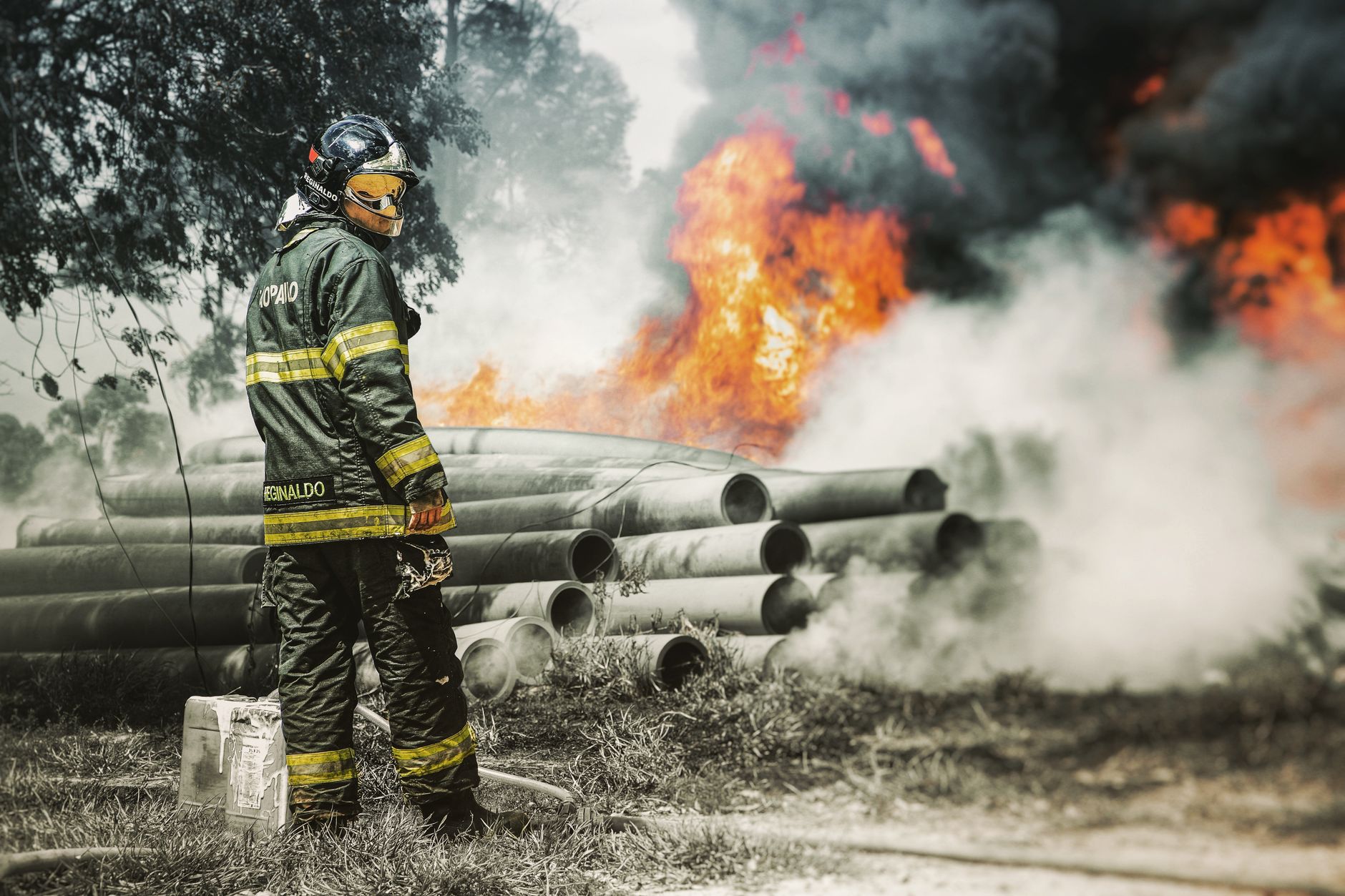
When the Australian summer arrives in full force — and in cities like Darwin, Perth, Brisbane, and Western Sydney, that can mean sustained temperatures well above 40°C — workplace heat stress becomes one of the most serious occupational health risks employers face. For organisations operating in construction, agriculture, landscaping, outdoor events, and logistics, keeping workers safe in the heat is not just a legal obligation under Work Health and Safety legislation; it’s a genuine duty of care. Here’s what many forward-thinking organisations are discovering: branded heat stress prevention kits for summer workplaces are one of the smartest investments you can make this season. They protect your people, communicate your safety culture, and — done well — carry your brand in a visible, meaningful way every single day.
Why Heat Stress Prevention Deserves a Dedicated Kit Strategy
Heat stress is not a minor inconvenience. Heat exhaustion and heat stroke can incapacitate workers within hours, and in extreme cases, the consequences can be life-threatening. Safe Work Australia data consistently highlights heat-related illness as a preventable workplace injury category, and with Australian summers trending hotter than historical averages, employers in every state and territory are under increasing pressure to demonstrate proactive heat management.
A dedicated heat stress prevention kit — a curated collection of products that help workers stay cool, hydrated, and sun-protected — addresses this challenge in a tangible, practical way. Unlike a policy document pinned to a noticeboard, a physical kit lands in employees’ hands and gets used every day. When those items are branded with your organisation’s logo and colours, the message extends far beyond the workplace. Colleagues, clients, and the general public all see a business that takes its people seriously.
This is also excellent timing from a merchandise planning perspective. Many organisations are finalising their EOFY branded gifts for customers budgets and seasonal safety initiatives simultaneously, making a branded summer kit a compelling dual-purpose investment.
What to Include in Branded Heat Stress Prevention Kits for Summer Workplaces
The most effective kits combine practical items that genuinely reduce heat stress risk with well-decorated, high-visibility branded products. Here’s a breakdown of the core categories to consider.
Hydration Products
Hydration is the single most important factor in preventing heat illness. When workers are losing fluid through sweat at high rates, having a reliable, high-capacity water bottle close at hand is non-negotiable.
Custom branded drink bottles — particularly double-walled stainless steel options that keep water cold for up to 24 hours — are a staple of any effective heat stress kit. Our comprehensive overview of promotional water bottles in Australia covers the most popular styles, materials, and decoration options in detail, but for summer workplace kits, insulation performance should be your primary selection criterion. Aim for bottles with a minimum 600ml capacity; for physically demanding outdoor roles, 1 litre or larger is preferred.
Don’t overlook branded keep cups or insulated tumblers either. Workers who have a vessel they’re proud to carry are more likely to maintain their hydration habits throughout a shift.
Cooling and Sun Protection Items
Beyond hydration, effective heat stress prevention requires products that directly reduce body temperature and limit UV exposure.
Cooling towels — microfibre towels designed to retain moisture and provide evaporative cooling — are lightweight, packable, and genuinely effective. They can be sublimation-printed in full colour, making them ideal for bold brand statements. For guidance on decoration methods suited to fabric items like these, our overview of dye sublimation paper types for fabric printing explains how vibrant, durable results are achieved on polyester and microfibre substrates.
Branded caps and wide-brim hats are also essential. A quality, branded cap with UPF 50+ fabric not only protects workers’ faces and necks from direct sun exposure — it’s also one of the most visible branded items your team carries into the field. Embroidery is the standard decoration method for structured caps due to its durability and professional finish.
Sunscreen sachets or pocket-size SPF 50+ sunscreen branded with your logo are compact additions that add genuine value without significantly increasing kit costs.
Branded Apparel for Heat Management
Lightweight, breathable workwear plays a critical role in heat stress management. Fabrics with moisture-wicking properties draw sweat away from the skin, allowing evaporative cooling to function more effectively. Polyester-cotton blends and performance knit fabrics are popular choices for summer workwear.
For organisations that require a polished presentation alongside practicality, custom embroidered Nike polo shirts deliver both — premium brand association with moisture-management fabric technology that genuinely performs in warm conditions.
For workers in high-risk environments, compliant hi-vis workwear in lightweight fabrics is another consideration. When selecting apparel decoration methods for stretch and performance fabrics, our guide to heat transfer vinyl types for custom apparel production is an excellent reference for understanding which methods hold up under physical activity and repeated washing.
Accessories and Carry Items
A practical kit also needs something to carry it in. A quality branded tote bag, cooler bag, or drawstring backpack acts as the kit’s container while doubling as an everyday branded item. Our guide to corporate branded tote bags outlines the best options for workplace and site contexts where durability matters. For organisations working in construction and trades, a rugged branded bag that can sit on a worksite without falling apart is particularly important.
Workers in construction environments may also benefit from branded lanyards for tool card and safety certification access. You can explore a wide range of options in our guide to custom car key lanyards for ideas on attachment hardware and material durability.
Branded electrolyte sachets or hydration tablets are an increasingly popular inclusion, particularly for roles involving heavy physical labour. Combined with a quality water bottle, they reinforce a genuine commitment to worker hydration beyond water alone.
Branding Your Heat Stress Kits: Decoration Methods and Considerations
Presentation matters — even for safety-focused merchandise. A well-branded kit communicates professionalism and reinforces your safety culture, which can have a meaningful effect on how workers perceive and engage with the items.
For hard goods like drink bottles and tumblers, laser engraving and pad printing are the most common decoration methods, each with different cost and aesthetic implications. Laser engraving produces a premium, permanent result ideal for metal bottles, while pad printing suits curved plastic surfaces effectively.
For soft goods like bags, towels, and apparel, the choice between screen printing, embroidery, and sublimation depends on the substrate, artwork complexity, and durability requirements. As a rule:
- Embroidery is best for structured fabrics like polo shirts and caps — durable, professional, and resistant to UV and washing.
- Sublimation is ideal for full-colour designs on polyester-based items like cooling towels and performance shirts.
- Screen printing remains cost-effective for straightforward, spot-colour designs on bags and apparel at higher volumes.
Most quality decoration suppliers will provide digital proofs before production begins. Review them carefully against your brand guidelines — particularly for PMS colour matching — to ensure consistency across every item in the kit.
Ordering, Budgets, and Turnaround Times
Planning ahead is critical for any branded merchandise project, but it’s especially important for summer workplace kits given the seasonal urgency. For most individual products within a heat stress kit, minimum order quantities (MOQs) typically start at 25–50 units, though this varies by product and supplier.
For organisations based in Queensland, Western Australia, and the Northern Territory — where extreme summer heat arrives earlier and lasts longer — beginning your procurement process by late October is advisable if you want kits in workers’ hands before the peak season. Organisations in Victoria, South Australia, and New South Wales should target November for order placement.
Budgets for branded heat stress prevention kits vary significantly based on product quality and quantity. A modest but practical kit — branded bottle, cap, cooling towel, and sunscreen — might come together at $20–$40 per person at volume. A premium kit that adds performance apparel, a quality cooler bag, and electrolyte products could range from $60–$120 per person. Most organisations find the mid-range option delivers the best balance of protection, quality, and brand impact.
For organisations managing broader safety and branded merchandise programs, it’s worth exploring how your heat stress kits fit alongside other initiatives. Construction and trades businesses, for instance, may also be interested in our guide to custom tool belts for construction companies in Australia for coordinated site safety merchandise. Similarly, for organisations hosting outdoor events or trade shows as part of their summer activities, our guide to event merchandise for conferences in Perth offers useful parallel thinking on curated product selections.
For eco-conscious organisations looking to source sustainable kit components, our guide to hemp promotional items for environmental organisations and information on eco-friendly packaging in Sydney are helpful resources for building kits that align with your sustainability commitments.
Making Heat Stress Kits Part of a Broader Safety Culture
The most effective branded heat stress prevention kits for summer workplaces aren’t treated as one-off giveaways. They’re integrated into a broader workplace safety culture — supported by training, site signage, hydration break policies, and ongoing leadership from management.
When workers receive a quality, well-designed kit and understand that it’s part of a genuine commitment to their wellbeing, the branded items within it carry extra weight. A keep cup with your company logo becomes a daily reminder that the organisation values its people. A well-made cap becomes worn with pride, not just obligation.
Some organisations also use kit distribution as an opportunity for safety briefings or team check-ins at the start of the summer season — turning a merchandise handout into a meaningful engagement moment. Others incorporate recognition elements, such as personalised ribbons for sales achievement awards alongside safety items, as part of a broader appreciation initiative during summer team events.
Key Takeaways
Building effective branded heat stress prevention kits for summer workplaces comes down to a handful of clear principles:
- Prioritise function first — every item in the kit should genuinely reduce heat stress risk, from high-capacity insulated water bottles to UPF-rated caps and cooling towels.
- Choose decoration methods suited to each product — embroidery for structured fabrics, sublimation for performance polyester, laser engraving or pad printing for hard goods.
- Plan early — order well ahead of the peak summer season, particularly for organisations in Queensland, WA, and the NT where heat stress risks emerge earlier in the year.
- Set a realistic budget — a practical, effective kit can be assembled for $20–$40 per person at volume, with premium options delivering greater brand impact at a higher per-unit cost.
- Integrate kits into your safety culture — distribute with intention, pair with training or briefings, and treat the kit as a physical expression of your organisation’s duty of care.
Done right, a branded heat stress prevention kit is far more than a collection of summer promotional products — it’s a statement about who your organisation is and how seriously you take the people who represent it every day.